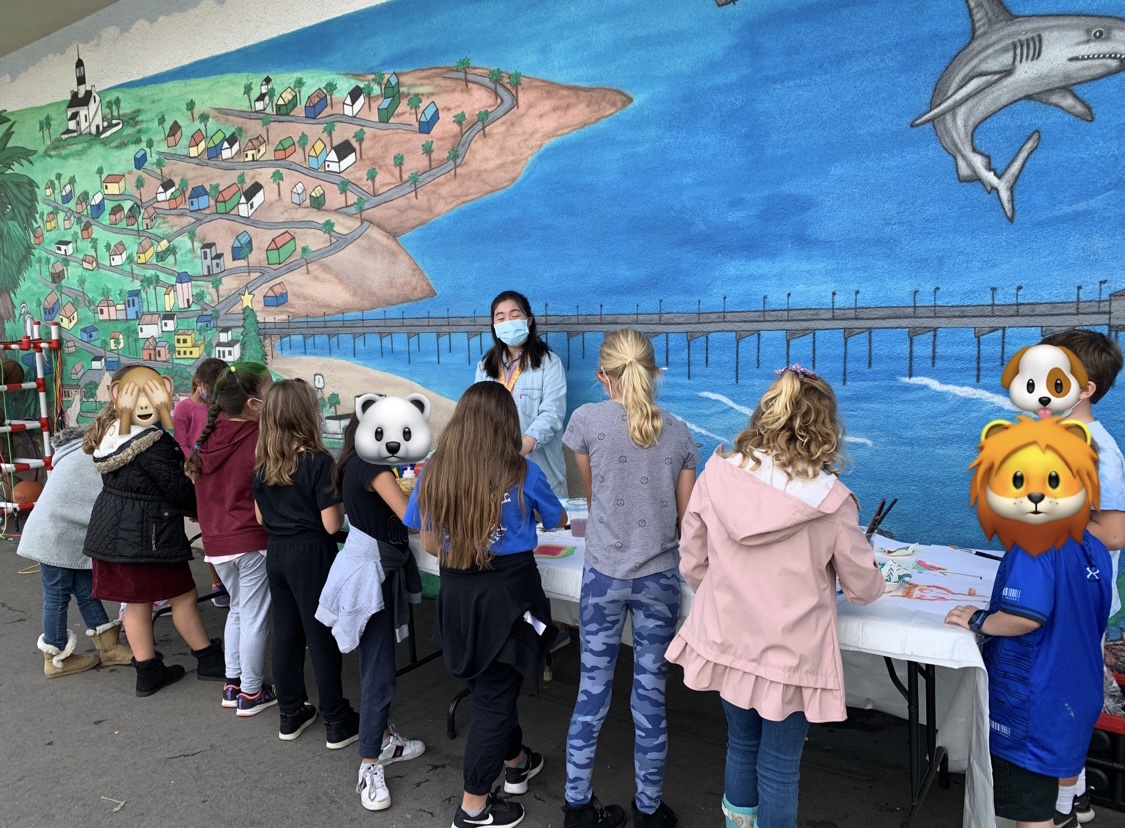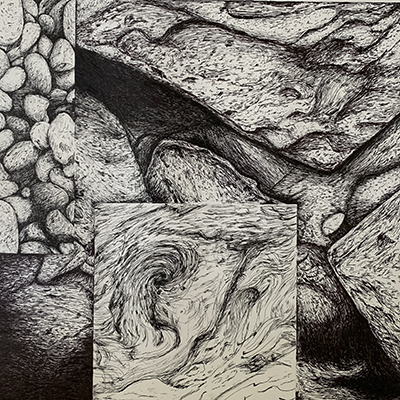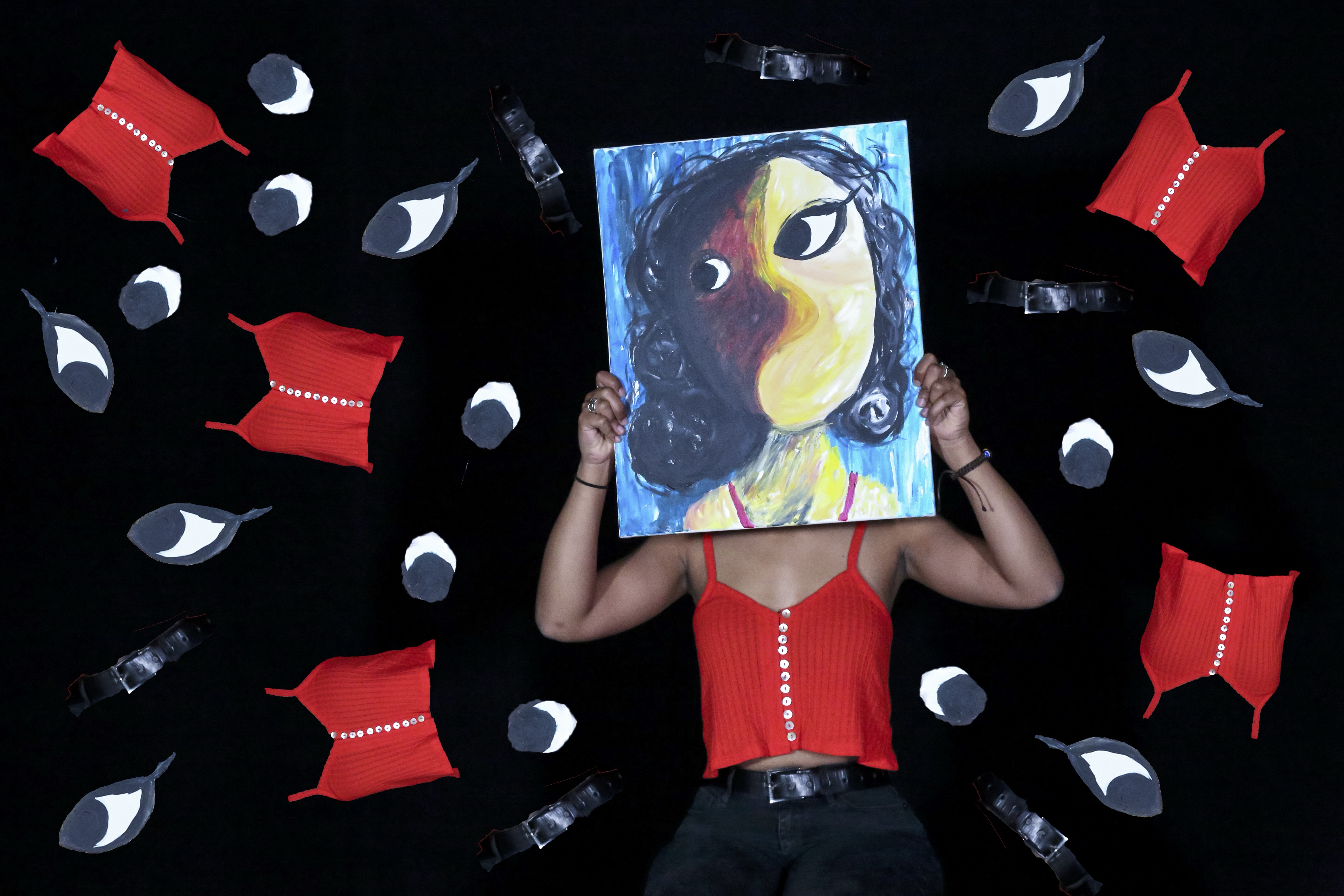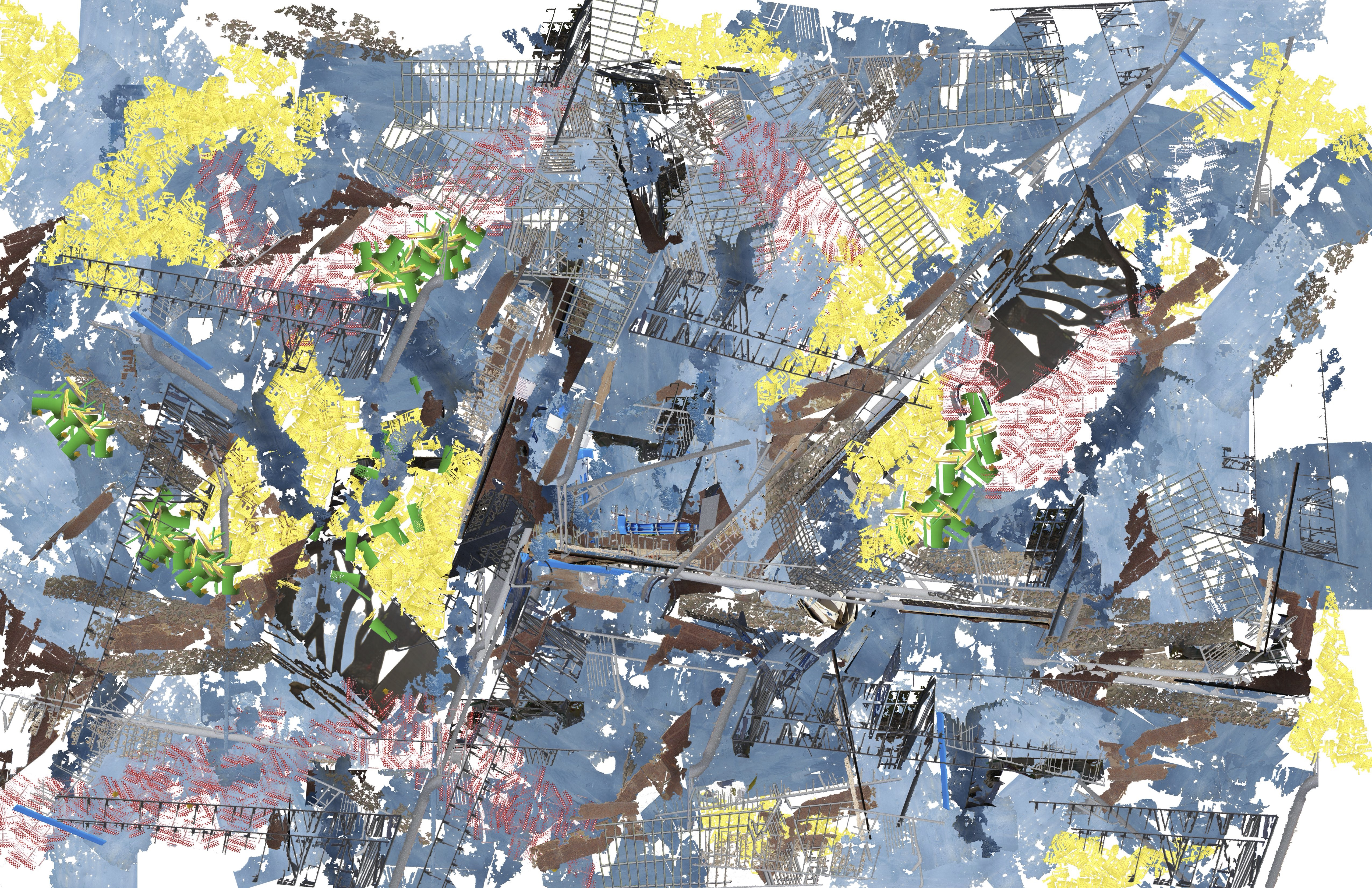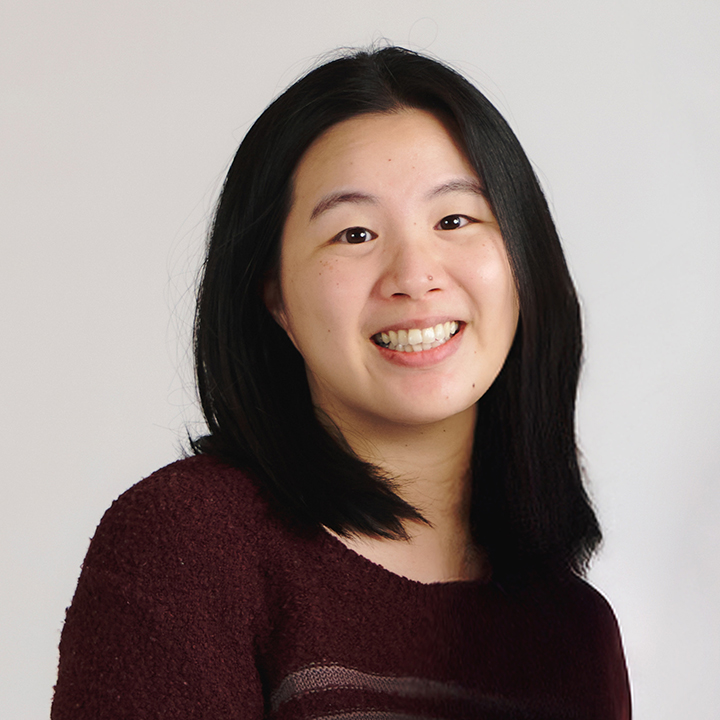
Yu “Jenny” Liu '22 (she/her) is a bilingual (Mandarin and English) licensed Marriage and Family Therapist and Board Certified Art Therapist. Jenny was born in Taiwan, and has lived in Taiwan, New Zealand, Australia, Hong Kong and the USA. Her multi-cultural background and identity as an immigrant offer a unique perspective on healing and Art Therapy. To Jenny, art is the common language beyond words, and Art Therapy can reach people with different cultural backgrounds. Jenny founded the Open Art Station at Ocean Beach Elementary School with YMCASD, enhancing students’ access to art-making. Jenny also helped write the program guidelines and establish the process for the Trauma-informed Art Therapy treatment model at Palomar Health Trauma Recovery Center (located at One Safe Place North County Family Justice Center in San Diego).
How did you first discover Art Therapy, and what inspired you to pursue this field?
Having lived in different countries, I noticed that mental health was often a common challenge for many people. On top of that, my love for art was a constant. I have a background in Visual Arts, Multimedia, Design, Art Education, and Electrical Engineering. My multi-cultural-multi-disciplinary background fueled me to pursue multiple roles related to art and wellness, including teaching art at an assisted living apartment, teaching children art, and designing UI/UX for a health App at a startup. I have always known how powerful art-making is, but it was not until I came across multiple research papers related to Art Therapy that I decided to get formal training in Art Therapy.
As a mental health clinician/advocate, can you describe your work and how you integrate the arts into your work?
My clinical work focuses on children, teens, families, and trauma, and I honestly could not imagine doing therapy without art! Since I have a background in Visual Arts Media, I often encourage clients to explore different media, including everyday objects and digital tools. Since my work lies heavily in trauma work, I find myself integrating different trauma treatment models, including EMDR, TFCBT, CFTSI, narrative therapy, and solution-focused therapy with expressive arts making. I am also getting trained in Play Therapy, so I find myself integrating sand trays, music, and role-play in trauma therapy with children, teens, and their families.
Reflecting on your time at LMU, what experience or moment stands out as particularly valuable to your personal and professional growth?
Our cohort may have had the most unique experience at LMU. Our first year was completely remote due to COVID, and our second year was in-person. The experience of taking classes and getting to know my cohort remotely was invaluable. I experienced building trust and becoming vulnerable without being in the same room with them, which gave me a lot of hope for future Telehealth settings. Yet I believe the most valuable work I did at LMU was the self-reflective work I was encouraged to do for myself. I was given opportunities to reflect on my identity, strengths, and weaknesses; upon graduating, I felt confident going into clinical work with the knowledge and practical training I had at LMU.
Can you walk us through your professional journey since graduating, including any key milestones or turning points?
After graduating from LMU, I was hired as a trauma therapist/art therapist at Palomar Health Trauma Recovery Center, a 100% grant-funded program. The Trauma Recovery Center is located at One Safe Place North County Family Justice Center, so we often encounter crime-related, child abuse-related cases. My caseload was 100% children and teens and 100% trauma. When I was hired, the therapy program had just opened, and I was the first Art Therapist there. I was given the opportunity to help create guidelines for family therapy services, individual art therapy services, and group art therapy services. I truly enjoyed my work there, but decided to leave due to changes in my personal lifestyle (I became a mom!).
Currently, I am in the process of opening my own private practice in the hopes of partnering with local community service providers. I hope to find ways to make Art Therapy accessible to underserved populations and trauma survivors.
What advice would you offer to students who are just starting their journey in this field, and what key skills or mindsets do you believe are most important for success?
I think for me, the most important thing is believing that you are making a difference because a lot of times, we don’t get to see the results. I think, especially if you are working with children, you might never find out what happens with those children. However, whenever I discharge a client, I choose to believe that our interaction has made a positive impact on them, and I wish them well and send them off. Another advice is to be organized and efficient whenever you can. This is the best self-care strategy I have.