Music
LMU Music offers a vibrant, purpose-driven environment where creativity thrives within a liberal arts setting. Our students excel as performers in ensembles and as soloists, develop music production and leadership abilities, and attain high academic standards in formal writing, analytic skills, and oral communication. The program prepares graduates for meaningful careers in music and beyond.
Apply NowDegree Pathways
B.A. in Music
- 48 semester hours plus one semester of Italian, French, or German
- Choose one of seven concentrations to govern third and fourth years
- Senior recital or capstone
Music Minor
- 25-27 Semester Hours plus one semester of Italian, French, or German

Course Offerings
Music majors take a minimum of four semesters of individual lessons with their voice or instrument as well as exactly four semesters of Music Theory, two semesters of Aural Skills, and three semesters of Music History as a foundation. Prior to their third year, students select a concentration that governs their third and fourth years in the major. A sampling of additional courses is listed below. You can view a typical pathway for a music major on LMU’s Bulletin.
-
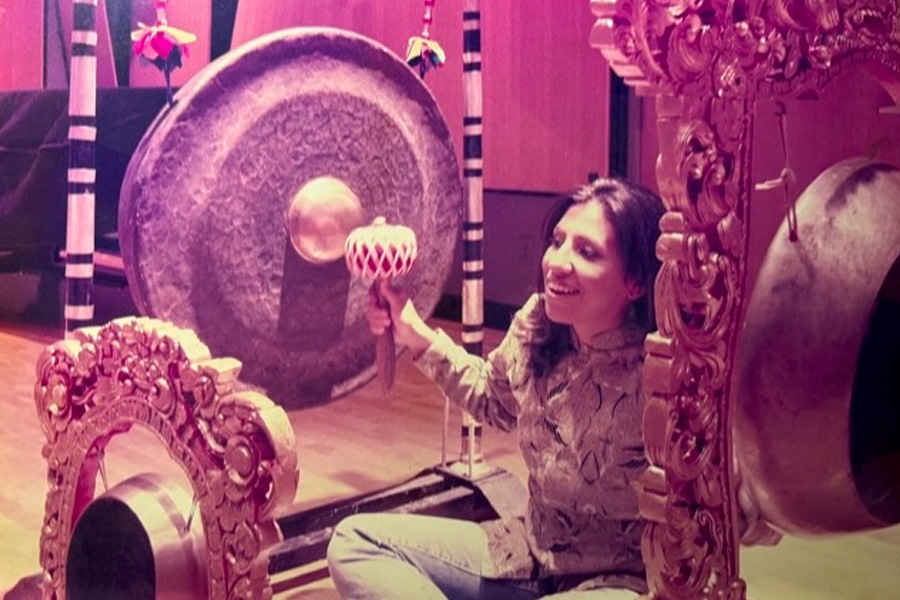
An introductory-level survey of art, traditional, and regional popular music, chosen from the South Asia, Indonesia, East Asia, Africa, Central America, and South America. Class lectures and discussion focus upon readings and guided listening. Some in-class performance.
This course may not be repeated for degree credit.
-
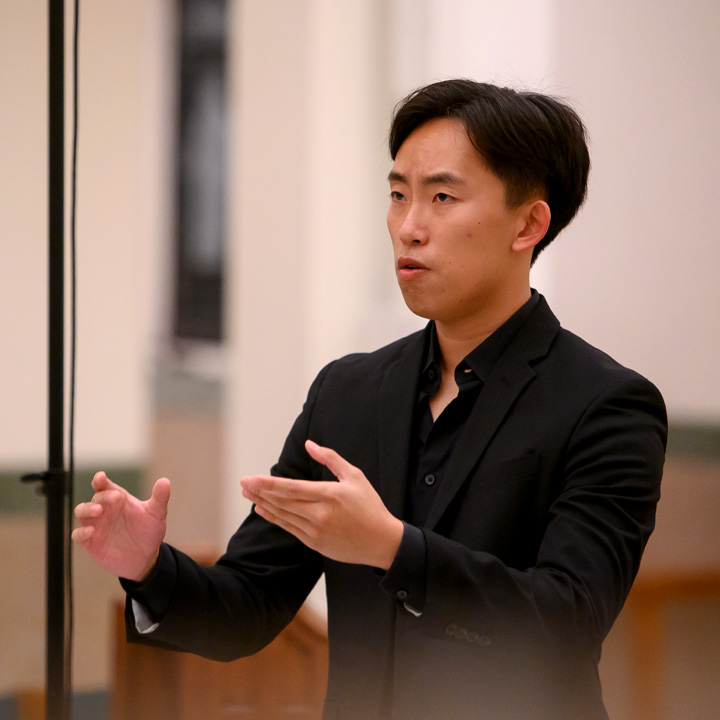
Basic conducting skills, technical and expressive uses of the conducting gesture, methods of verbal and non-verbal communication appropriate to a choral ensemble.
This course may not be repeated for degree credit.
-
Basic conducting skills, technical and expressive uses of the conducting gesture, and methods of communication appropriate to an instrumental ensemble.
Prerequisite: MUSC 235.
This course may not be repeated for degree credit.
-
The exploration of issues and topics involved in creating and producing music with technology, specifically through the use of software on a personal computer. Students will learn basic facility and fluency with a number of software platforms on the Macintosh operating system. In addition, a large portion of this course is devoted to direct music and audio composition. In this way, students are evaluated both on technical proficiency as well as creative energy employed in completing course assignments.
Prerequisite: MUSC 122.
This course may not be repeated for degree credit.
-
An introduction to harmonic progressions ("changes") and formal procedures and structures utilized in various popular musics such as folk, blues, pop, gospel, rock, musical theater, and jazz. Coursework includes completing both harmonic and structural exercises as well as small original compositions.
Prerequisite: MUSC 122.
This course may not be repeated for degree credit.
-
A survey of the origins and major style periods of jazz from the antebellum era to the present. The course covers the lives and work of major figures in Black American music history, investigating the political, social, regional, and economic pressures that shaped these artists and their music. Listening assignments emphasize specific stylistic features that reflect currents of American history and culture.
This course may not be repeated for degree credit.
-
Basic skills of coordinated movement appropriate to stage work for vocalists and instrumentalists. Exploration of the elements of poise, postural habits, and style based on principles developed by F.M. Alexander.
Major or minor required.
May be repeated for degree credit (maximum 4 semester hours).
-
An introduction to the woodwind, brass, string, and percussion families of instruments, including the study of instrumental ranges, transpositions, and techniques. The articulative, dynamic, and timbral characteristics of each instrument are also explored. To these ends the course utilizes live demonstrations, music notation software, and short orchestration projects.
Prerequisite: MUSC 122.
This course may not be repeated for degree credit.
Highlights
-
Fri, 23 Oct 2026 18:00:00 -0700
Music Faculty Recital at Murphy Recital Hall
Enjoy an evening of live music performed by LMU's talented Music faculty. This special recital showcases the artistry and creativity of the university's accomplished musicians...
-
Fri, 13 Nov 2026 19:00:00 -0800
An Evening of Jazz at Murphy Recital Hall
The LMU Jazz Ensembles present a variety of works on this concert.
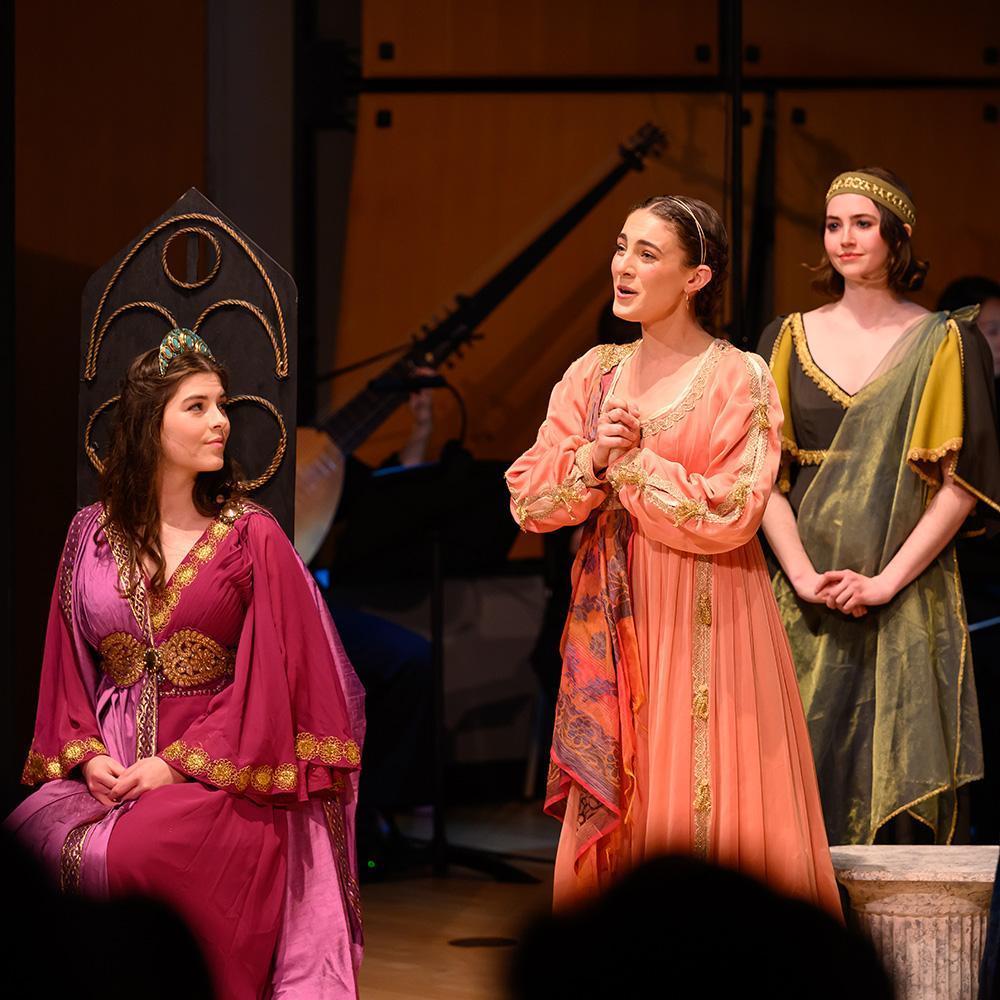
Ensembles
Our ensembles are open to all members of the LMU community, and are a wonderful way for vocalists and instrumentalists of all levels to pursue their interest in music
Learn More About Our Ensembles
Featured Alumni
Our graduates are prepared for a variety of successful careers - in music and beyond
Meet Our Alumni
Facilities
Students have access to premier facilities to support our classes, rehearsals, performances, and recreation time
View Our FacilitiesStories
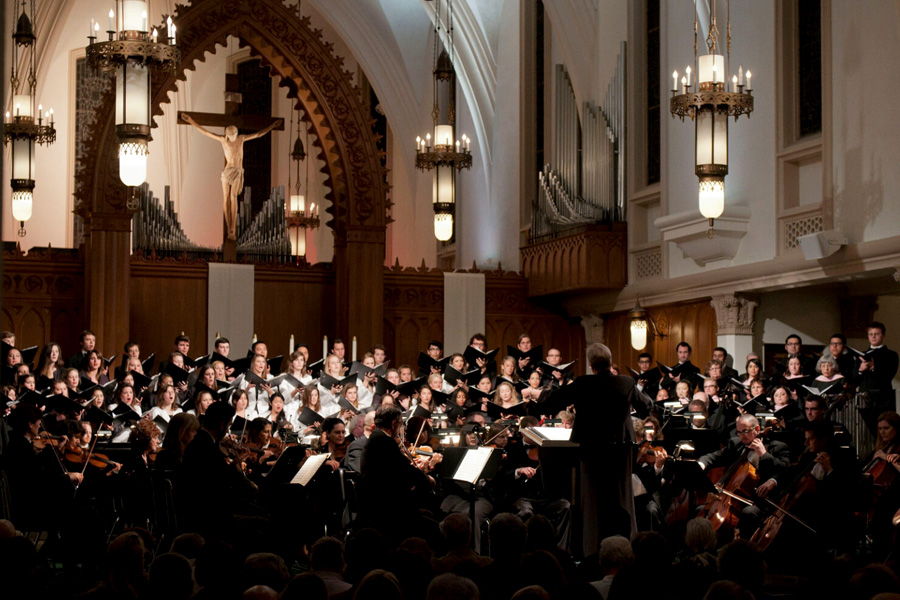
Meet the New Voice Leading LMU’s Choral Tradition: Ben Johns
Johns steps into the renowned program as LMU’s new Director of Choral Activities.
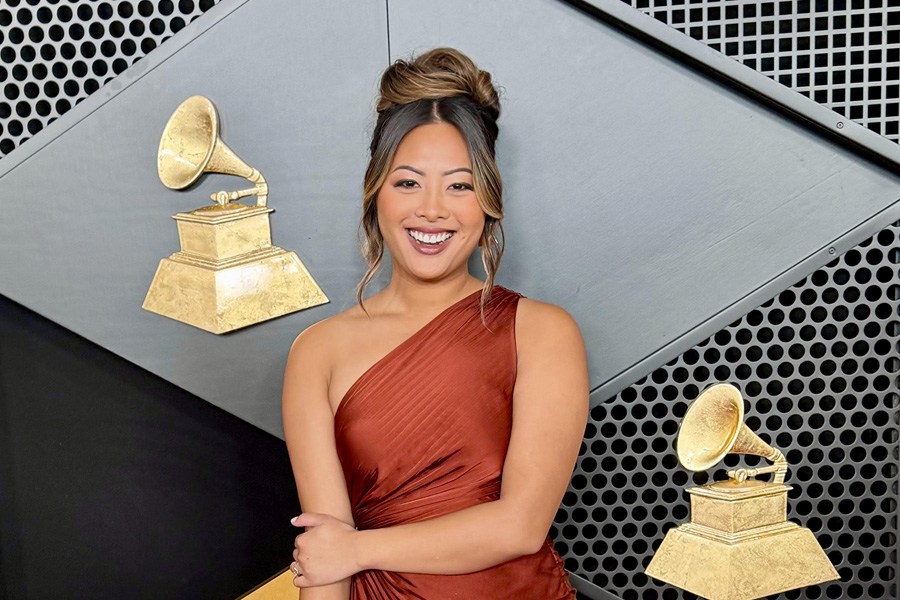
Alumna Soars to Grammy Success with Vocal Ensemble Tonality
Maglalang’s story is an inspiration for current and future LMU students.
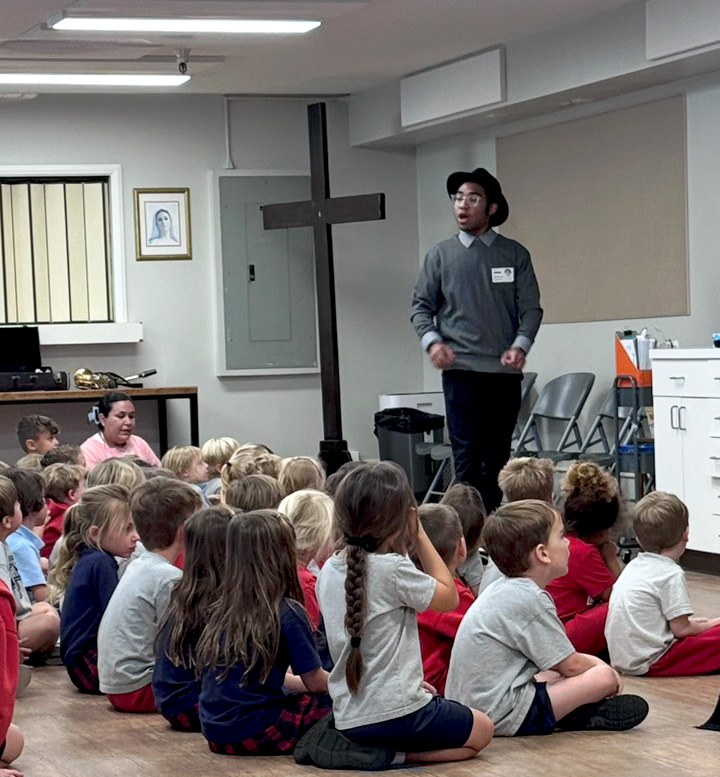
Celebrating Black History Through Music
Alumnus Donovan Claverie ’25 visited students to play music and speak about the intersection of music, Black history.
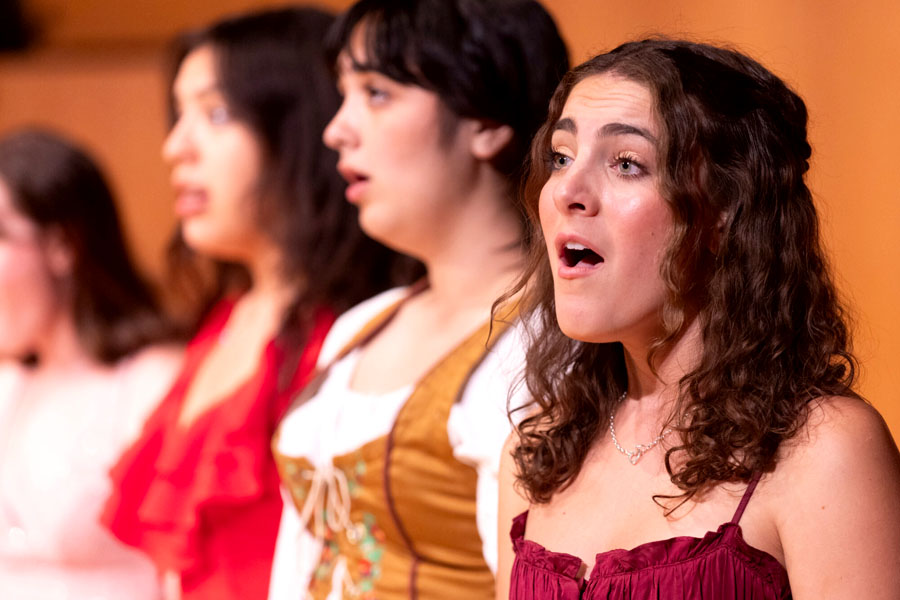
Spring Recitals: Celebrating the CFA Journey